


Are you tired of endless crunches and ineffective core workouts? It’s time to switch up your routine and discover the transformative power of Roman chair exercises.
Picture this: You’re in the gym, surrounded by crashing weights and buzzing chatter. As you approach the Roman chair, a wave of curiosity washes over you. What exactly is this peculiar-looking piece of equipment, and how can it help you achieve your fitness goals?
Enter the world of Roman chair exercises, where every movement is a step towards a stronger, more resilient body. Whether you’re a fitness enthusiast seeking new challenges or a newcomer eager to sculpt your physique, the Roman chair offers a pathway to success.
Before you dive into our article on ‘6 Roman Chair Exercises To Build Strong Back & Abs,’ check out this informative video. Fit Gent demonstrates 9 Roman chair exercises and the muscles they target, providing valuable insights for your workout routine.
Watch now to learn more about maximizing your Roman chair workout, then explore our article for additional exercises to achieve a strong back and core!

In this comprehensive guide, we’ll answer the mysteries of Roman chair exercises, uncovering their benefits, techniques, and safety precautions along the way.
So, lace up your sneakers, grab a towel, and let’s start on a journey to fitness excellence.
Benefits of Roman Chair Exercises
Roman chair exercises bring a host of benefits that make your body stronger and more balanced. Let’s break down why these exercises are so awesome:
Better Core Strength:
Doing exercises on a Roman chair is like giving your core muscles a VIP treatment. It helps strengthen not just your tummy muscles but also those in your lower back and hips.
For example, doing sit-ups on a Roman chair really targets your abs, making them stronger and more stable. And when your core is strong, it’s like having a strong foundation for your body. You’ll sit and stand taller, move better, and reduce the chances of hurting your back.
Improved Posture and Balance:
Ever notice how some people slouch or hunch over? That’s because their muscles aren’t strong enough to keep them upright. But with Roman chair exercises, you can fix that.
By strengthening the muscles in your back, you can stand up straighter and feel more balanced. It’s like having a built-in posture corrector! Plus, exercises like the hanging dip help improve your balance by making you stabilize your body while you move.
Working Lots of Muscles:
The cool thing about Roman chair exercises is that they work more than just your core. They target muscles all over your body. For example, when you do dips, you’re working your arms, shoulders, and chest. And when you do glute holds, you’re working your butt, legs, and lower back. It’s like getting a full-body workout without having to use lots of different machines!
Preventing and Recovering from Injuries:
Another great thing about Roman chair exercises is that they can help stop injuries before they happen and help you recover if you’ve already been hurt. By making your muscles stronger and keeping your spine in line, you’re less likely to get hurt in the first place. And if you’re recovering from an injury, doing these exercises can help you get back on your feet faster and stronger.
So, whether you’re looking to get stronger, improve your balance, or just feel better overall, Roman chair exercises have got you covered!
Muscles Targeted
Roman chair exercises work a bunch of different muscles in your body all at once, giving you a great overall workout. Let’s break down which muscles they target:
Core Muscles:

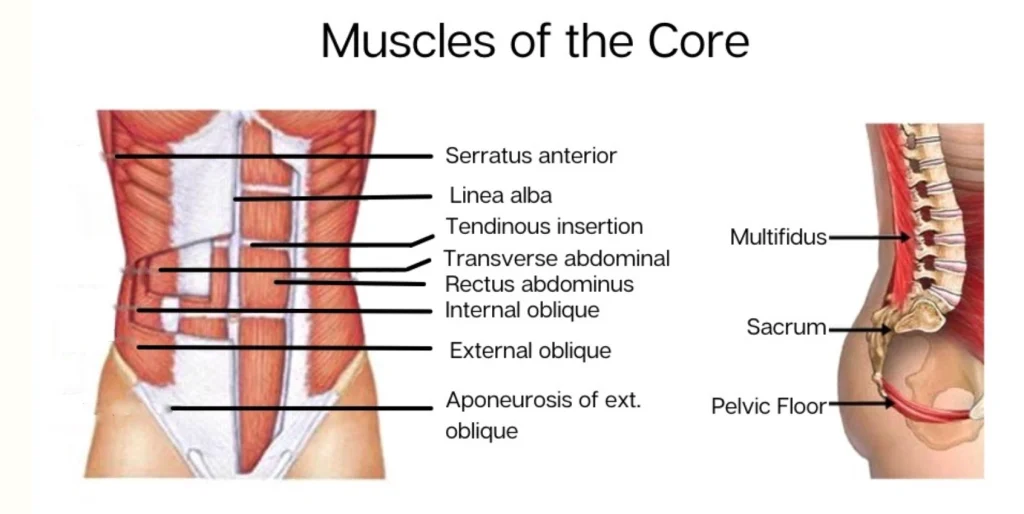
- Six-Pack Muscles: These are the muscles in the front of your stomach that help you bend forward. When you do sit-ups on the Roman chair, these muscles get a good workout.
- Side Muscles: These muscles are on the sides of your stomach and help you twist and bend sideways. Side bends on the Roman chair work these muscles.
- Deep Stomach Muscles: These are deep inside your stomach and act like a natural belt to support your spine. Exercises like back extensions and glute holds help strengthen these muscles.
Lower Back Muscles:

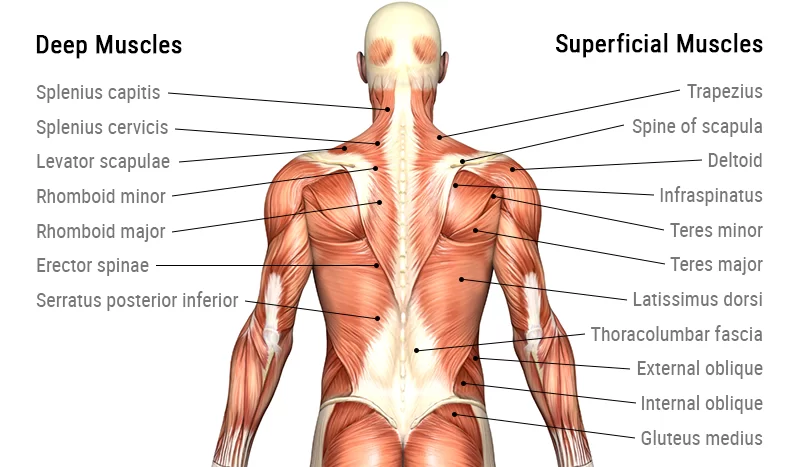
- Spine Straighteners: These muscles run along your spine and help you stand up straight. Back extension exercises on the Roman chair work these muscles.
- Spine Stabilizers: These muscles are deep in your lower back and help keep your spine stable. They’re worked during back extension and hyperextension exercises.
Butt and Thigh Muscles:

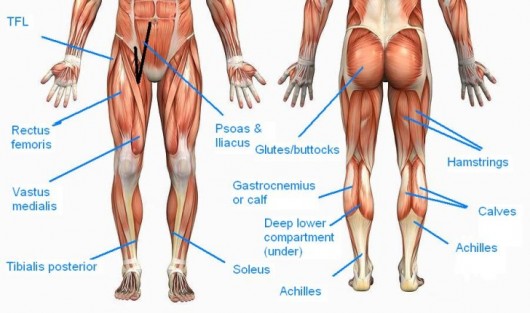
- Butt Muscle: This is the big muscle in your butt that helps you stand up and move your hips. It gets a good workout during exercises like glute holds and hip extensions on the Roman chair.
- Back of the Thigh Muscles: These muscles are on the back of your thighs and help you bend your knees and move your hips. They’re worked during exercises like back extensions and hip extensions.
Upper Body Muscles:


- Back Muscles: These are the big muscles in your back that help you pull things towards you. They get worked during exercises like hanging dips on the Roman chair.
- Shoulder Muscles: These muscles are in your shoulders and help you lift your arms up and move them around. They’re worked during exercises like incline push-ups on the Roman chair.
- Arm Muscles: These muscles are on the back of your arms and help you straighten your elbows. They’re worked during exercises like incline push-ups and hanging dips.
5 Best Roman Chairs in 2024
Looking to step up your home workout game? We’ve got you covered with our list of the top five Roman chairs of 2024.
These chairs are designed to help you strengthen your core and lower body muscles right from the comfort of your home. Whether you’re a workout pro or just starting out, these Roman chairs offer quality, functionality, and great value.
Check out our product table below to find the perfect Roman chair for your fitness journey.
How to Use a Roman Chair
Using a Roman chair correctly is important for getting the most out of your workout while staying safe.
Here’s a detailed guide on how to use a Roman chair effectively:
1. Adjust the Equipment:

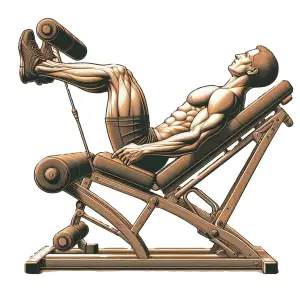
- Seat Position: Start by adjusting the Roman chair to fit your body. The pads should be positioned so that your hips are comfortably supported when lying face down on the bench.
- Ankle Supports: Secure your ankles under the roller pads to ensure stability during exercises. Adjust the ankle supports to fit snugly but not too tightly.
- Handlebars: Some Roman chairs come equipped with handlebars for added stability. Make sure they are positioned at a comfortable height and within reach for support if needed.
2. Maintain Proper Form:

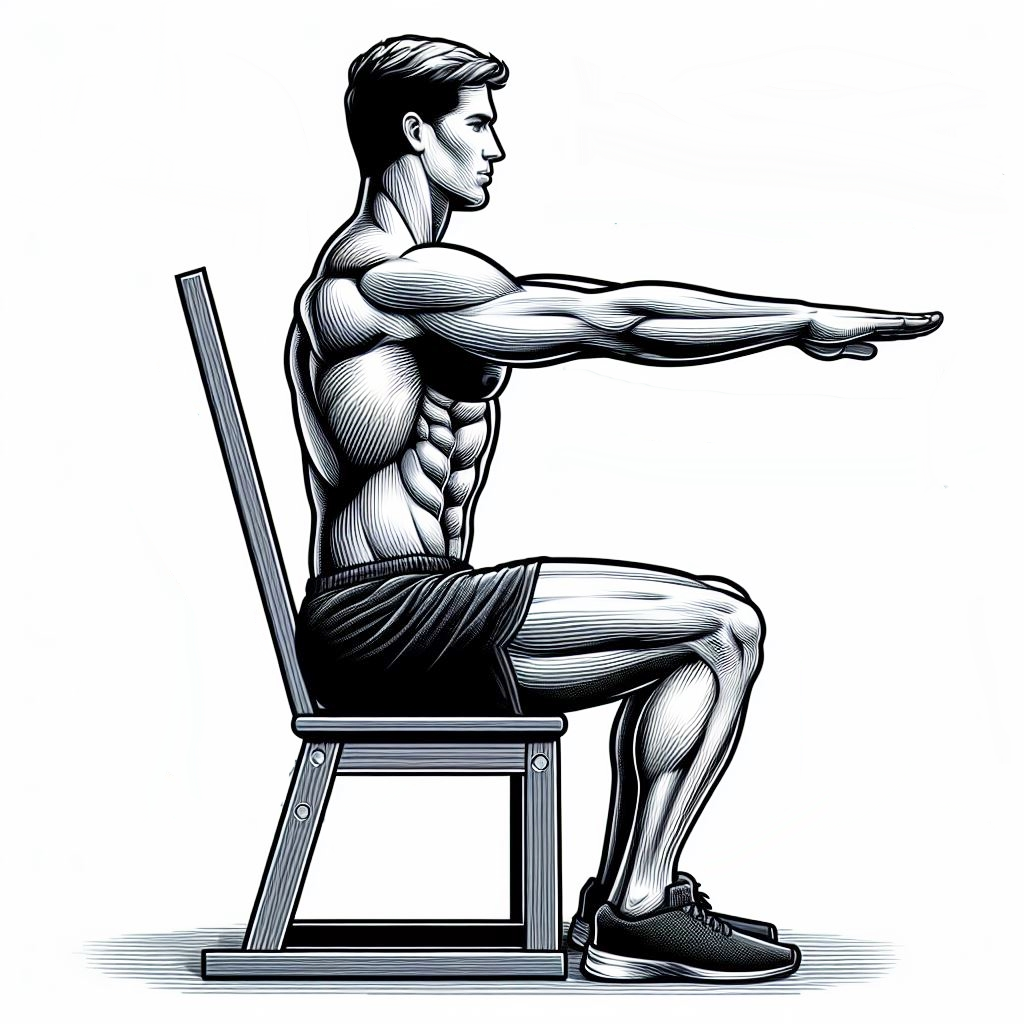
- Straight Back: Throughout each exercise, focus on keeping your back straight and aligned with your legs. Avoid arching or rounding your spine excessively, as this can lead to strain or injury.
- Controlled Movements: Perform each exercise with slow, controlled movements to engage the targeted muscles fully. Avoid jerky or sudden movements, which can increase the risk of injury.
3. Start Slowly:

- Beginner-Friendly Approach: If you’re new to Roman chair exercises, start with lighter resistance and fewer repetitions. This allows your body to adapt gradually to the movements and build strength over time.
- Progressive Overload: As you become more comfortable with the exercises, gradually increase the intensity by adding resistance or performing more repetitions. This progressive overload is essential for continued muscle growth and strength gains.
4. Listen to Your Body:
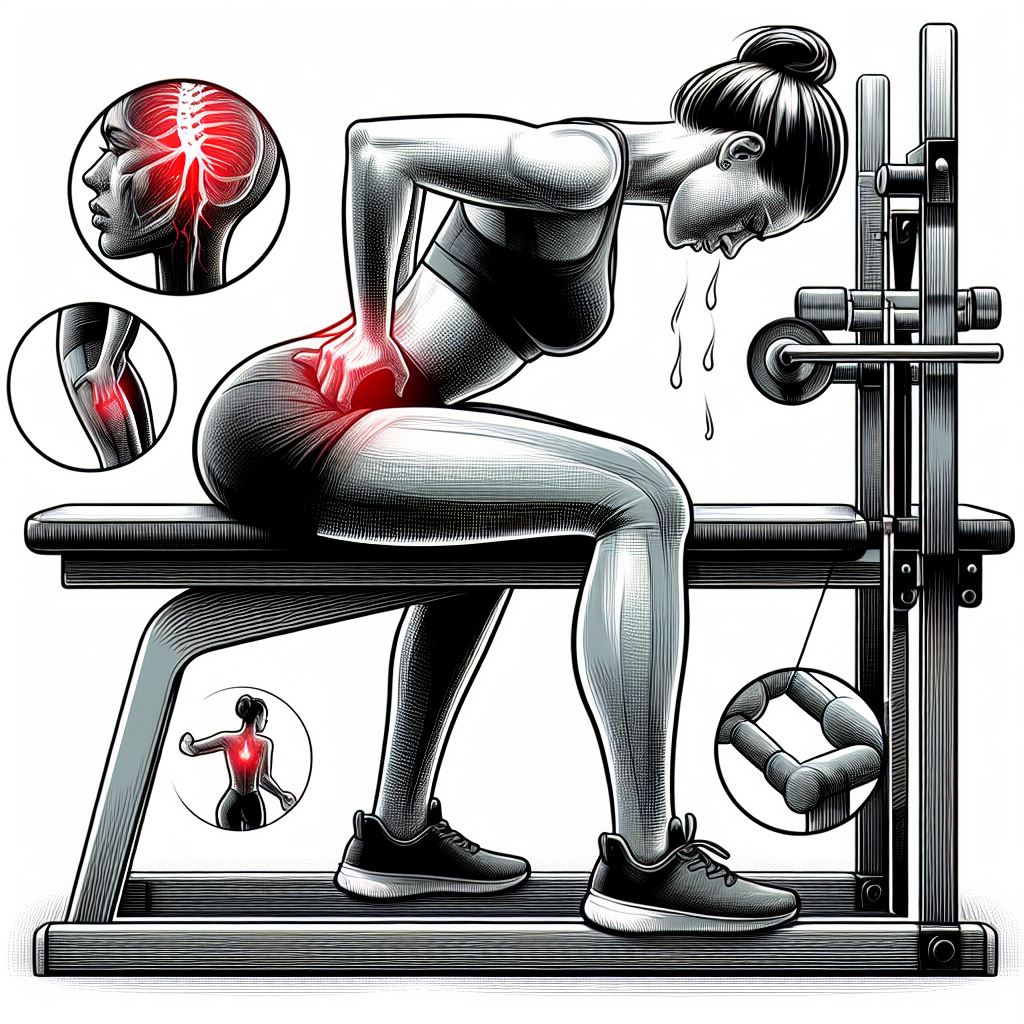
- Pay Attention: During your workouts, pay close attention to how your body feels. If you experience any discomfort or pain, particularly in your lower back or hips, adjust your technique or intensity accordingly.
- Warning Signs: Stop immediately if you experience sharp or prolonged pain during exercise. These could be signs of overexertion or injury, and continuing could worsen the situation.
- Consult a Professional: If you have any existing medical conditions or concerns about using a Roman chair, consult with a fitness professional or healthcare provider before starting a new exercise routine.
Examples of Roman Chair Exercises
Let’s explore some of the exercises you can do using a Roman chair, each one targeting specific muscle groups and movement patterns:
Back Extension:
This exercise primarily targets the erector spinae muscles along your spine, helping to strengthen your lower back.
To perform a back extension, lie face down on the Roman chair with your hips supported and your feet secured under the roller pads. Slowly lift your upper body off the bench by extending your back, then lower back down with control.
This movement helps to improve spinal stability and reduce the risk of lower back pain.

Roman Chair Sit-Up:
The Roman chair sit-up is an advanced variation of the traditional sit-up, providing a challenging workout for your core muscles.
Start by sitting on the Roman chair with your feet secured under the roller pads. Cross your arms over your chest or place your hands behind your head, then slowly lower your torso towards the floor until your back is parallel to the ground. Use your abdominal muscles to lift yourself back up to the starting position.
This exercise strengthens your abs and hip flexors, improving overall core stability.

Incline Push-Up:
The incline push-up on a Roman chair offers a unique twist on the traditional push-up, targeting your chest, shoulders, and triceps.
Begin by standing behind the Roman chair and placing your hands on the handles. Walk your feet back until your body forms a diagonal line from your head to your heels. Lower your chest towards the pads of the chair, then push back up to the starting position.
This exercise helps to build upper body strength and stability.

Hanging Dip:
Hanging dips are an advanced upper body exercise that targets the chest, triceps, and shoulders, while also engaging the core for stability.
Start by gripping the handles of the Roman chair and lifting your body off the ground, keeping your arms straight. Bend your elbows to lower your body towards the ground, then push back up to the starting position.
This exercise strengthens the muscles of the upper body and improves overall arm definition.

Preacher Bicep Curls:
Preacher bicep curls isolate the biceps for targeted strength and definition.
Sit on the Roman chair facing the backrest, and rest your triceps on the pad while holding a dumbbell in each hand. Curl the weights towards your shoulders, keeping your upper arms stationary. Slowly lower the weights back down with control, then repeat for the desired number of repetitions.
This exercise helps to sculpt and strengthen the muscles of the biceps.

Isometric Glute Hold:
The isometric glute hold is an effective exercise for targeting the glutes, hamstrings, and lower back.
Begin by adjusting the Roman chair so that the ankle pads are aligned with the groin pad. Lie face down on the bench with your feet tucked under the ankle pads. Lift your upper body off the bench and hold the position for as long as possible, engaging your glutes and hamstrings to keep your body stable.
This exercise helps to improve lower body strength and stability.

Safety Tips
Ensuring safety during Roman chair exercises is important for preventing injuries and maximizing the effectiveness of your workout. Here are some detailed safety tips to follow:
Warm-Up Properly:
Before diving into Roman chair exercises, it’s essential to prepare your body with a proper warm-up routine. This can include activities like brisk walking, jogging, or cycling to increase blood flow to your muscles and joints.
Additionally, incorporate dynamic stretches such as leg swings, arm circles, and torso twists to improve flexibility and mobility. A thorough warm-up primes your body for the demands of exercise and reduces the risk of strains or sprains.
Use Proper Form:
Maintaining correct form is key to getting the most out of Roman chair exercises while minimizing the risk of injury. Focus on these form principles:
a. Neutral Spine: Keep your spine in a neutral position throughout each exercise, avoiding excessive arching or rounding. Engage your core muscles to stabilize your spine and pelvis.
b. Controlled Movements: Perform each repetition with controlled, deliberate movements, avoiding jerky or uncontrolled motions. This helps to target the intended muscles effectively and reduces the risk of strain or overuse injuries.
c. Full Range of Motion: Aim to perform each exercise through a full range of motion, moving smoothly from the starting position to the end point. This ensures that your muscles are properly engaged and stretched, promoting strength gains and flexibility.
Start with Light Resistance:
If you’re new to Roman chair exercises or trying out a new exercise variation, start with light resistance or bodyweight exercises to allow your muscles to adapt gradually. Begin with a manageable number of repetitions and sets, focusing on mastering proper form before increasing the intensity.
As your strength and proficiency improve, you can gradually progress to heavier weights or more challenging variations.
Listen to Your Body:
One of the most important safety tips is to listen to your body and pay attention to any warning signs of discomfort or pain.
If you experience sharp or persistent pain during exercise, stop immediately and assess your technique. Adjust your positioning or reduce the resistance if necessary. Ignoring pain can lead to further injury, so it’s essential to address any issues promptly.
If pain persists, consult a qualified fitness professional or healthcare provider for guidance.
By following these safety tips and prioritizing proper technique, you can enjoy the benefits of Roman chair exercises while minimizing the risk of injury. Remember to always warm up properly, use correct form, start with light resistance, and listen to your body’s signals during your workouts.
Conclusion
Incorporating Roman chair exercises into your workout routine can yield significant benefits for core strength, posture, and overall fitness.
By following proper technique, prioritizing safety, and gradually increasing intensity, you can maximize the effectiveness of these exercises and achieve your fitness goals. Whether you’re aiming to improve athletic performance, prevent injuries, or simply enhance your overall well-being, Roman chair exercises offer a versatile and effective solution.
Ready to take your fitness to the next level?
Give Roman chair exercises a try and experience the difference for yourself.
You may also want to read these articles:
- https://garagegymplanner.com/home-strength-training/
- https://garagegymplanner.com/roman-chairs/
- https://garagegymplanner.com/free-standing-pull-up-bar/
- https://garagegymplanner.com/top-5-lat-pulldown-machines/
- https://garagegymplanner.com/best-home-cardio-machine/
- https://garagegymplanner.com/budget-home-gym/
Here are the references used for the blog post:
- “Back extension endurance and strength: the effect of variable-angle roman chair exercise training” – https://pubmed.ncbi.nlm.nih.gov/12195070/
- “Single-Leg Roman Chair Hold Is More Effective Than the Nordic Hamstring Curl in Improving Hamstring Strength-Endurance in Gaelic Footballers With Previous Hamstring Injury” – https://pubmed.ncbi.nlm.nih.gov/29489726/
- “Electromyographic activity of the lumbar extensor muscles: effect of angle and hand position during Roman chair exercise” – https://pubmed.ncbi.nlm.nih.gov/10414757/
- “External oblique” – https://www.healthline.com/human-body-maps/external-oblique-muscle#1
- “Effect of pelvic stabilization and hip position on trunk extensor activity during back extension exercises on a Roman chair” – https://pubmed.ncbi.nlm.nih.gov/19229445